
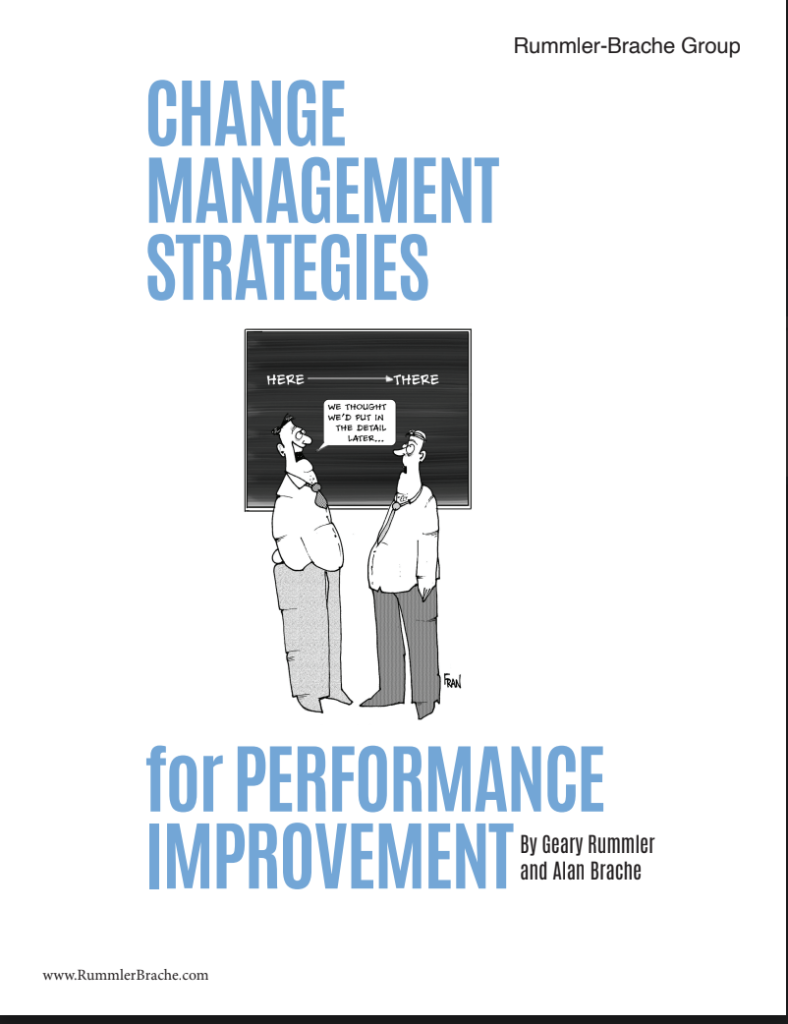
Download File:
Process improvement is often discussed as an operational topic. Organisations may focus on removing bottlenecks, redesigning workflows, improving efficiency, reducing waste, or implementing better systems. These are all important, but they do not guarantee that people will actually adopt the improved process.
Every process is carried out by people. If employees do not understand the reason for the change, if managers do not reinforce the new behaviour, or if the organisation does not address resistance early, the improved process may fail to produce the expected result.
This is where change management becomes essential. A process improvement project needs more than a better design. It needs communication, leadership alignment, employee engagement, training, reinforcement, and a clear transition plan. Without these elements, even a technically sound process can struggle during implementation.
This Pritchett insight helps leaders connect process improvement with the human side of change. It encourages organisations to think about adoption, not just design; execution, not just planning; and behaviour, not just procedure.
This resource is valuable for transformation leaders, operations managers, HR teams, consultants, and business owners who want process improvement projects to create sustainable results.
What You’ll Learn From This PDF:
Process improvement succeeds when people adopt the new way of working — not just when the process is redesigned on paper.
Download this Pritchett insight to explore how change management can support stronger implementation, smoother adoption, and more sustainable process improvement.