
Performance Improvement & Operational Excellence Consulting
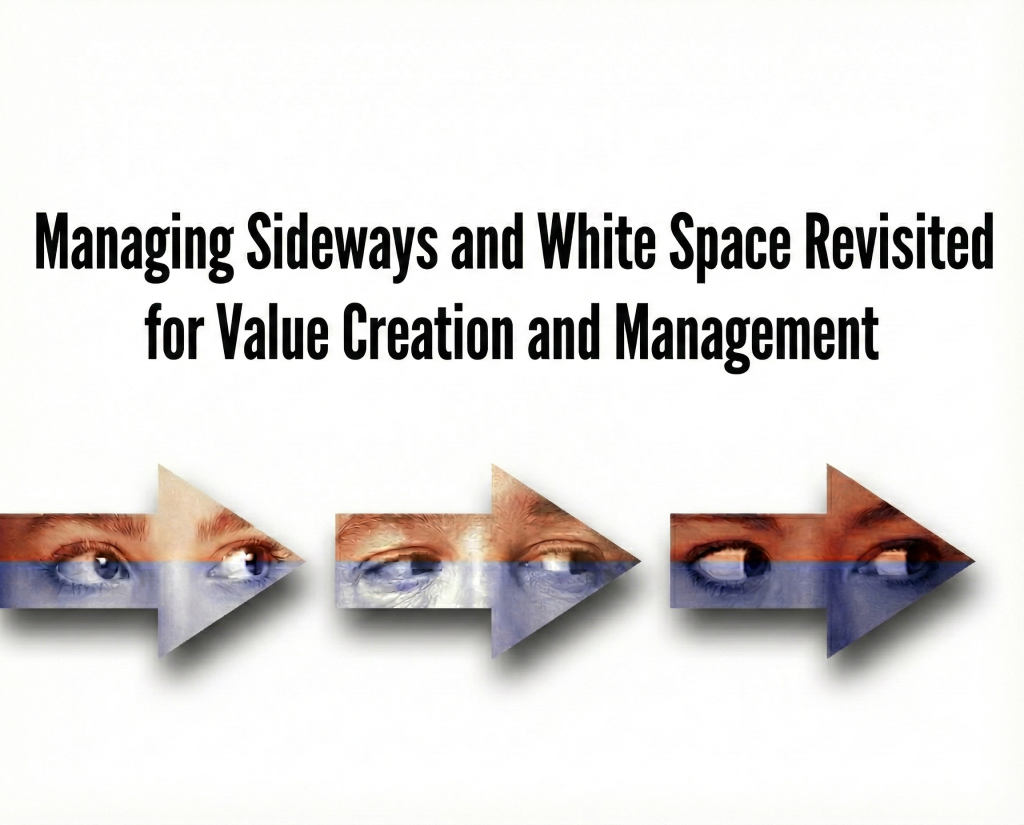
Improve Performance by Redesigning How Work Gets Done
Performance problems are not always people problems. They may also be process problems, system problems, communication problems, accountability problems, or alignment problems.
Pritchett Asia Pacific helps organisations improve business performance through proven process improvement, operational excellence and performance management methodologies. Using the Rummler-Brache framework, BPM consulting and practical process redesign, we help organisations connect strategy to execution, eliminate process and workflow friction and establish the accountability and performance measures required for sustainable improvement.
From cross-functional process mapping and KPI alignment to role clarity and continuous improvement, we help organisations redesign how work gets done so teams can deliver faster, more consistent and measurable business results.
What Is Process Improvement?
Process improvement is a systematic approach to analysing how work is currently performed, identifying disconnects or performance gaps, and redesigning processes to improve speed, quality, profitability, accountability, and customer outcomes.
Effective process improvement goes beyond removing individual tasks. It examines how strategy, processes, workflows, people, systems, performance measures and management practices work together to produce business results.
Why Business Performance and Process Improvement Matters
Many organisations try to improve performance by pushing people harder.
They set more targets, request more reports, hold more meetings, and increase pressure on managers. But if the underlying process is unclear, inefficient, duplicated, or misaligned, people may work harder without producing better outcomes. Achieving operational excellence requires organisations to look beyond individual effort and examine how work flows across teams, systems, and decision points.
Process improvement helps organisations examine the real flow of work. Where does work slow down? Where are decisions delayed? Where does information get lost? Where do teams duplicate effort? Where are customers affected by internal inefficiency?
Performance improvement requires a broader view. Leaders must understand how strategy, process, people, systems, measures, and accountability work together to produce results.
Business Process Improvement That Connects Strategy With Execution
Business process improvement helps organisations turn strategic priorities into repeatable ways of working. Pritchett examines how work moves across functions, where value is created or lost, and whether processes, measures and accountability support the organisation’s strategic goals.
By redesigning processes and workflows around customer outcomes and business priorities, organisations can reduce friction, strengthen cross-functional collaboration and improve execution.
Our Approach to Business Performance, Process Improvement & Operational Excellence
Using the Rummler-Brache Methodology to Improve Organisational, Process & People Performance
Most organisations do not struggle because people lack capability. They struggle because of disconnects between functions, unclear workflows, broken handoffs, and poor alignment between strategy, process, and execution.
The Rummler-Brache methodology improves performance across the 3 critical levels of performance — the Organisation Level, the Process Level, and the People Level — helping businesses close execution gaps, strengthen cross-functional collaboration, and improve overall business results.
Identify the Performance Opportunity
Clarify the business issue, strategic priority and measurable performance gap.
We begin by identifying the business issue that matters most. This includes uncovering where organisational disconnects, silo behaviour, duplicated effort, and workflow inefficiencies are impacting performance, customer experience, speed, quality, or profitability.
Assess Organisation, Process & People Performance
Understand where performance breaks down across structure, workflows, people and measurement.
Performance problems rarely exist in isolation. We assess how the organisation is structured, how processes currently operate, and how people interact within the system. This helps identify gaps in accountability, unclear expectations, misaligned measures, and barriers to effective cross-functional collaboration.
Map the Current “As-Is” Process
Visualise how work currently flows across departments, systems and decision points.
Using Rummler-Brache process mapping, we visualise how work actually flows across departments, systems, teams, and decision points. Many operational issues occur in the “white space” between functions — where disconnects, delays, confusion, and ownership gaps commonly exist.
By making these breakdowns visible, organisations gain clarity on where performance is being lost and where collaboration needs to improve.
Design the Future “Should-Be” Process
Remove unnecessary friction and redesign workflows around speed, accountability and customer value.
Once the current state is understood, we redesign the future process to improve speed, clarity, accountability, and customer value. This includes streamlining workflows, improving handoffs, strengthening decision-making, reducing unnecessary complexity, and creating stronger alignment between teams.
The goal is to create processes that support better execution and enable smoother cross-functional collaboration across the business.
Align Roles, KPIs & Accountability
Clarify ownership, expectations and measures across the redesigned process.
High-performing processes require clear ownership and aligned behaviours. We help leaders and teams define roles, responsibilities, performance expectations, and reinforcement mechanisms that support execution across the organisation, process, and people levels.
This ensures employees understand how their work contributes to broader business outcomes and where accountability sits within the process.
Sustain Continuous Improvement
Use performance measures, governance and feedback to identify and implement further improvements.
Sustainable improvement requires more than process redesign. We help organisations establish governance routines, performance measures, feedback loops, and leadership disciplines that sustain momentum and continuous improvement over time.
Why the Rummler-Brache Methodology Works
The Rummler-Brache methodology improves performance by addressing the entire system — not just isolated tasks or individual behaviour. By aligning the Organisation Level, Process Level, and People Level, businesses can eliminate disconnects, improve cross-functional collaboration, strengthen execution, and achieve measurable operational results.
Building Operational Excellence Through Better Processes
Operational excellence is achieved when strategy, processes, people, systems and performance measures work together consistently. It is not simply about reducing cost or increasing efficiency; it is about building an operating system that reliably delivers value to customers and supports strategic priorities.
Pritchett helps organisations create greater clarity, accountability and process discipline so improvement becomes part of how the business operates rather than a one-time initiative.
Performance KPIs That Measure What Matters
Strong performance management requires more than increasing the number of KPIs. Measures should show whether processes are delivering the outcomes that matter to customers and the business.
Pritchett helps organisations align performance KPIs with strategic priorities, process outcomes and individual responsibilities so leaders can identify where performance is improving and where intervention is required.
Organisation-Level KPIs
Measures connected to strategic business outcomes.
Process-Level KPIs
Measures such as speed, quality, cost, capacity, risk and customer value.
People-Level KPIs
Measures that clarify expectations and individual contribution.
Performance, Process, & Operational Challenges We Help Solve
We help organisations improve issues such as:
Who Our Performance and Process Improvement Consulting Is For
This service is suitable for:
Meet Our Performance & Process Improvement Expertise



Frequently Asked Questions
Process improvement is the systematic approach of analysing how work is currently performed, identifying inefficiencies or performance gaps, and redesigning processes to achieve better results. It may focus on improving speed, quality, cost, capacity, accountability, customer experience or consistency. Effective process improvement also considers how people, systems, processes, workflows and performance measures work together to support business objectives.
Business process improvement is the practice of evaluating and redesigning business processes to improve organisational performance. It focuses on how work moves across departments, roles and systems, helping organisations remove bottlenecks, reduce duplication and strengthen accountability. The goal is to create more efficient and reliable processes that support strategic priorities and deliver better outcomes for customers and the business.
Common process improvement methodologies include Lean, Six Sigma, Business Process Management, APQC, TQM, Kaizen and the Rummler-Brache methodology. Each approach has a different emphasis, such as reducing waste, improving quality, continuous improvement, redesigning workflows or aligning organisational, process and individual performance. The most suitable methodology depends on the organisation’s business objectives, process complexity and performance challenges.
Process improvement supports operational excellence by creating more consistent, efficient and measurable ways of working. It helps organisations identify bottlenecks, clarify responsibilities, improve cross-functional collaboration and align processes with business priorities. When supported by clear performance measures and continuous review, process improvement can help organisations deliver better customer outcomes while maintaining stronger operational discipline.
Continuous process improvement is an ongoing approach to reviewing, measuring and improving how work is performed. Rather than treating process improvement as a one-time project, organisations regularly monitor performance, identify new opportunities and make targeted adjustments. Clear ownership, feedback mechanisms and performance measures help ensure improvements are sustained, and new problems are identified before they significantly affect results.
Aligning business processes with strategy execution starts by identifying the outcomes the organisation needs to achieve and determining which processes directly support those priorities. Organisations should then clarify ownership, redesign processes and workflows where necessary and establish performance measures that show whether processes are contributing to strategic goals. Regular management reviews help ensure day-to-day execution remains connected to the organisation’s broader strategy.
The right process KPIs, both leading and lagging indicators, depend on the purpose of the process and the outcomes it is expected to deliver. Common measures include cycle time, quality, cost, productivity, error rates, customer satisfaction, service levels and process reliability. Effective KPIs should be directly connected to business objectives and help leaders identify where performance is improving, where bottlenecks exist and where further improvement is required.
A process improvement consultant helps organisations clarify critical business issues and opportunities, analyse existing processes and workflows, identify performance gaps and redesign processes to improve efficiency, accountability and business outcomes. This may include process mapping, performance analysis, KPI development, process and workflow redesign, role clarification, job redesign, and continuous improvement planning. The objective is to help organisations build processes that support strategy execution and deliver sustainable performance improvement.
Performance coaching helps leaders and managers translate strategic priorities into clear expectations, measurable actions and consistent day-to-day execution. It strengthens accountability by helping individuals understand what they are responsible for, how their performance contributes to business goals and which behaviours need to change to achieve better results.
Through regular coaching, leaders can identify execution gaps, review relevant performance KPIs, address obstacles and provide timely feedback before problems affect wider business performance. Performance coaching also helps managers reinforce new processes, improve decision-making and maintain focus on the priorities that matter most.
When combined with clear processes and meaningful performance measures, coaching can help close the gap between strategy and execution by ensuring employees remain aligned, accountable and focused on delivering measurable outcomes.
Organisations rarely outperform the design of their processes. If collaboration is broken, accountability is unclear, and handoffs fail, no amount of individual effort will create sustainable performance.
If performance is not improving, the issue may not be effort. It may be the way work is designed, managed, measured, and reinforced.