
Download File:
A process improvement project needs more than the desire to work faster or reduce inefficiency. To create meaningful improvement, organisations need a structured approach that connects problem diagnosis, redesign, implementation, communication, and ongoing reinforcement.
Many process improvement efforts fail because they focus too heavily on the technical side of the process. Leaders may redesign workflows, introduce new tools, or document new procedures — but forget that people must understand, accept, and consistently use the improved process.
A good process improvement project should create clarity. It should help teams understand what is changing, why the change matters, how the new process works, and what success should look like. Without this clarity, even a well-designed improvement effort can become confusing or inconsistent.
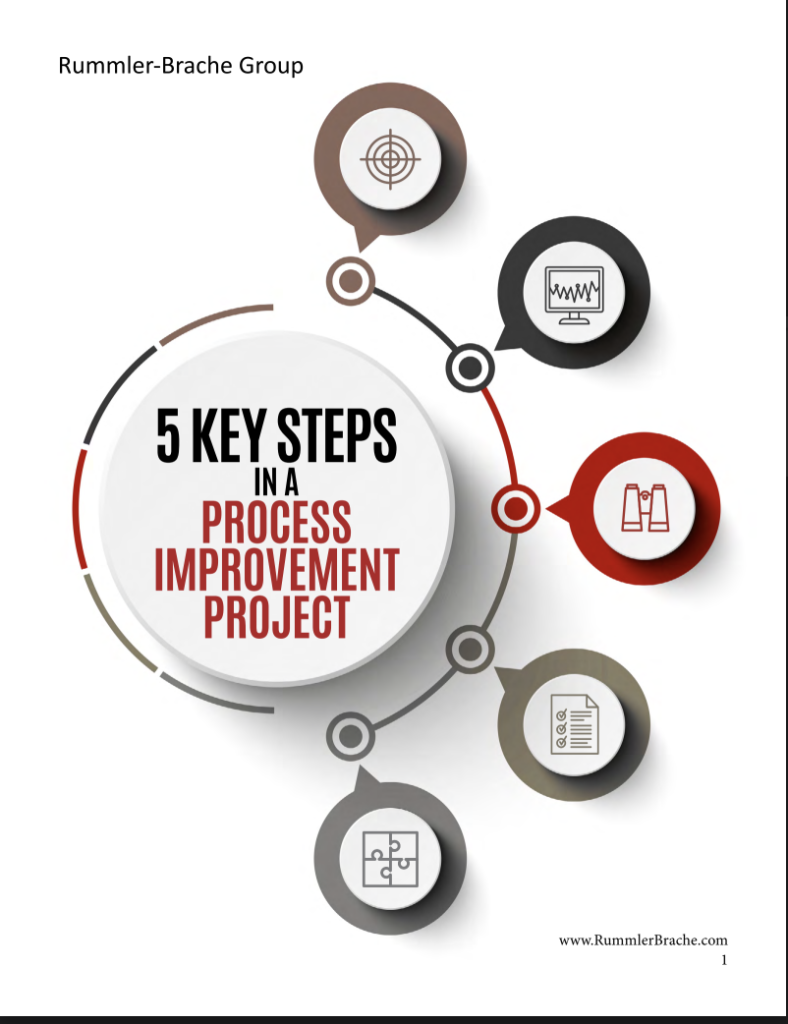
This Pritchett insight gives leaders a practical way to think about process improvement at a high level. It highlights the importance of structure, execution, adoption, and leadership discipline in creating better business performance.
This resource is useful for operations managers, process improvement teams, business owners, department heads, HR professionals, and consultants supporting organisational improvement.
What You’ll Learn From This PDF:
A process improvement project needs structure, clarity, and disciplined execution.
Download this Pritchett insight to explore the key steps leaders should consider when improving processes and strengthening business performance.