Download File:
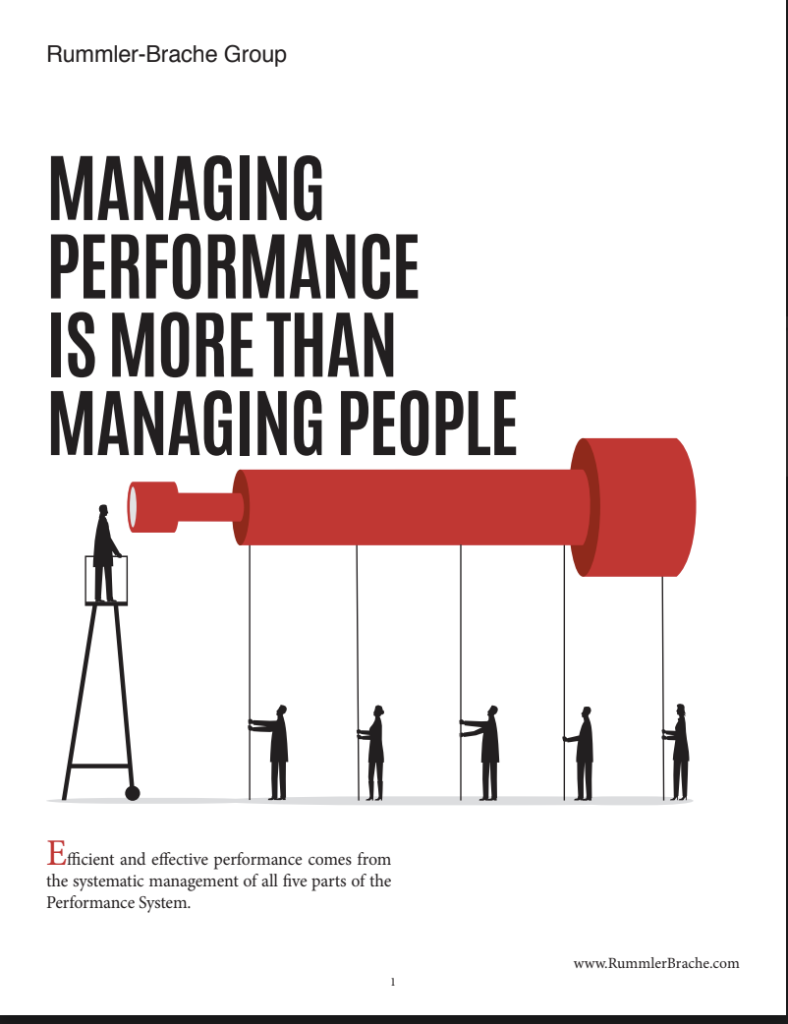
Performance problems are often treated as people problems. When results are not improving, leaders may quickly assume that employees lack discipline, motivation, accountability, or capability.
While individual behaviour matters, performance is rarely shaped by people alone. It is also influenced by the systems they work within, the processes they follow, the clarity of expectations, the quality of communication, the way decisions are made, and the culture that surrounds them.
When leaders focus only on managing people, they may miss the deeper conditions that affect performance. Employees may be working hard but operating within unclear priorities. Managers may be pushing for results without the right structure. Teams may be held accountable for outcomes without having the tools, authority, or information needed to succeed.
This is why performance management needs to go beyond supervision. Leaders must examine the full performance environment. Are goals clearly defined? Are processes supporting or slowing people down? Are expectations consistent? Are managers reinforcing the right behaviours? Are employees receiving useful feedback? Are systems helping people perform — or making performance harder?
This Pritchett insight encourages leaders to look at performance more holistically. Instead of seeing performance as simply a matter of managing individuals, it invites organisations to consider the structures, behaviours, and leadership practices that shape results across the business.
This resource is valuable for CEOs, business owners, HR leaders, department heads, performance managers, and transformation teams who want to improve organisational performance in a more sustainable way.
What You’ll Learn From This PDF:
Performance problems are not always people problems. They may also be system, process, communication, accountability, or culture problems.
Download this Pritchett insight to rethink performance management and explore how leaders can improve results by looking beyond individual behaviour.