
Download File:
Many organisations launch performance improvement programs with strong intentions. They may introduce new KPIs, productivity initiatives, leadership workshops, reporting structures, operational reviews, or employee development plans. On the surface, these programs may appear organised and well-supported.
However, activity does not always equal improvement. A performance improvement program can look impressive in a presentation but fail to create meaningful behavioural change, measurable business results, or stronger accountability. Employees may attend the sessions, complete the forms, and follow the process — yet still return to old habits.
This raises an important question for leaders: how do you evaluate whether a performance improvement program is actually working? The answer requires looking beyond participation rates or internal announcements. Leaders need to examine whether the program changes how people think, behave, make decisions, solve problems, and deliver results.
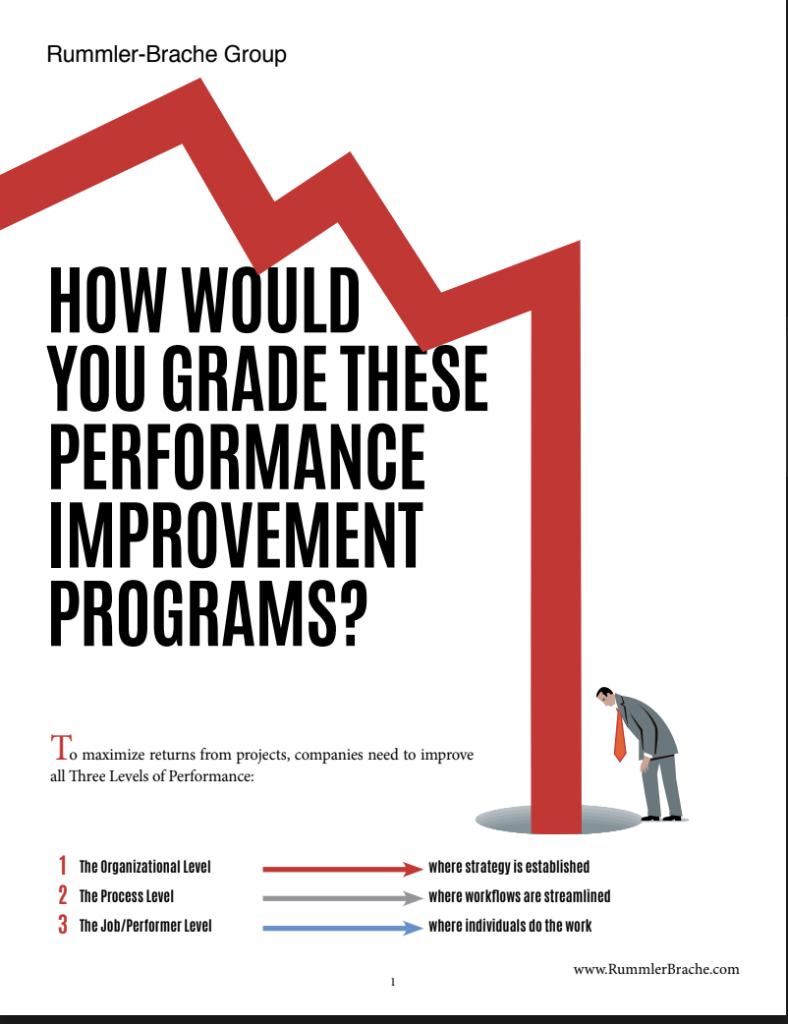
This Pritchett insight encourages organisations to take a more honest look at the effectiveness of their performance improvement efforts. It helps leaders consider whether their programs are driving real progress or simply creating another layer of management activity.
This resource is suitable for senior leaders, HR professionals, performance managers, business owners, and department heads who want to strengthen execution and improve organisational results.
What You’ll Learn From This PDF:
A performance improvement program should create more than activity. It should create better behaviour, stronger accountability, and measurable business progress.
Download this insight to reflect on whether your current improvement efforts are truly changing performance — or simply adding another layer of management activity.